
Attic & Roofline Intrusions
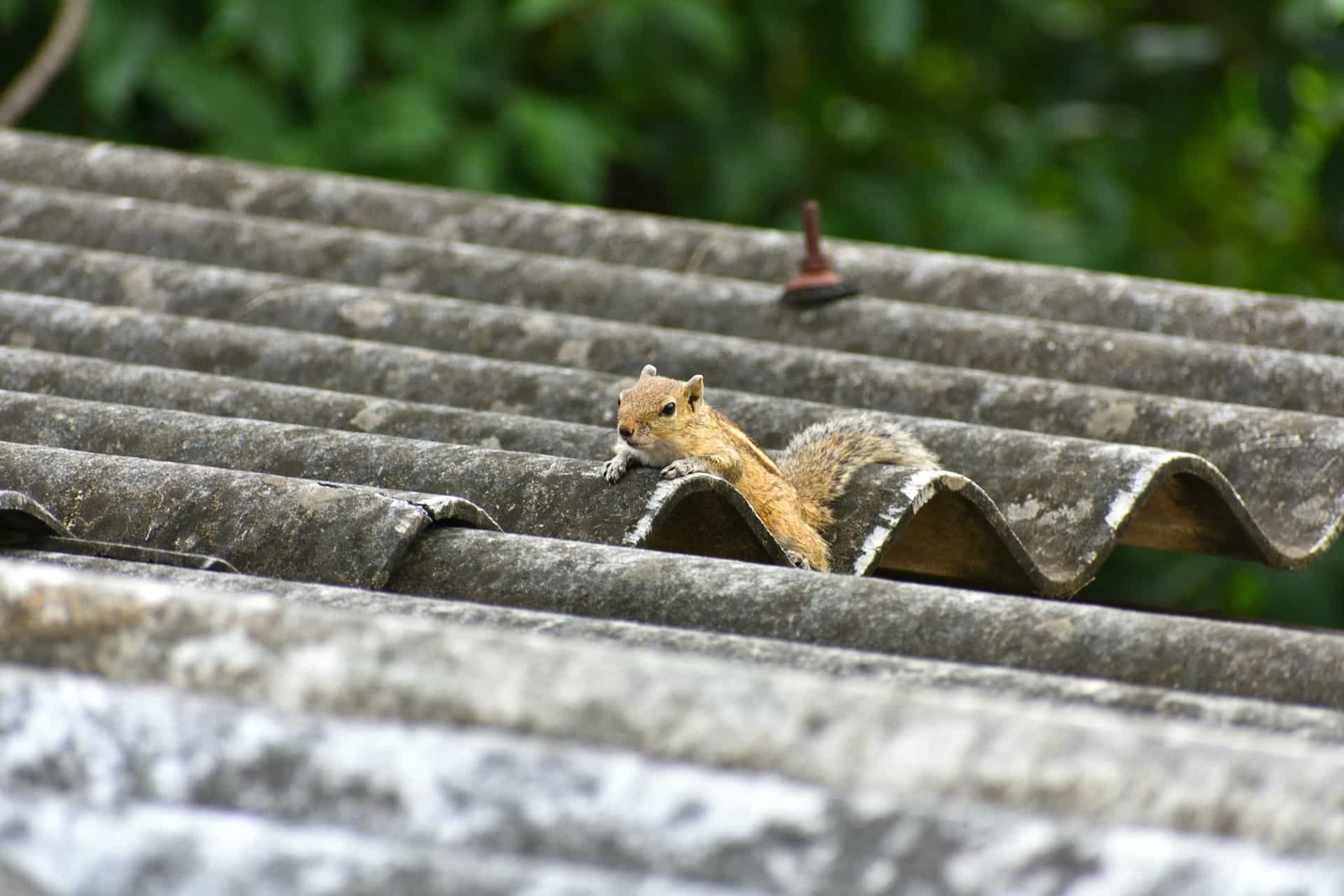
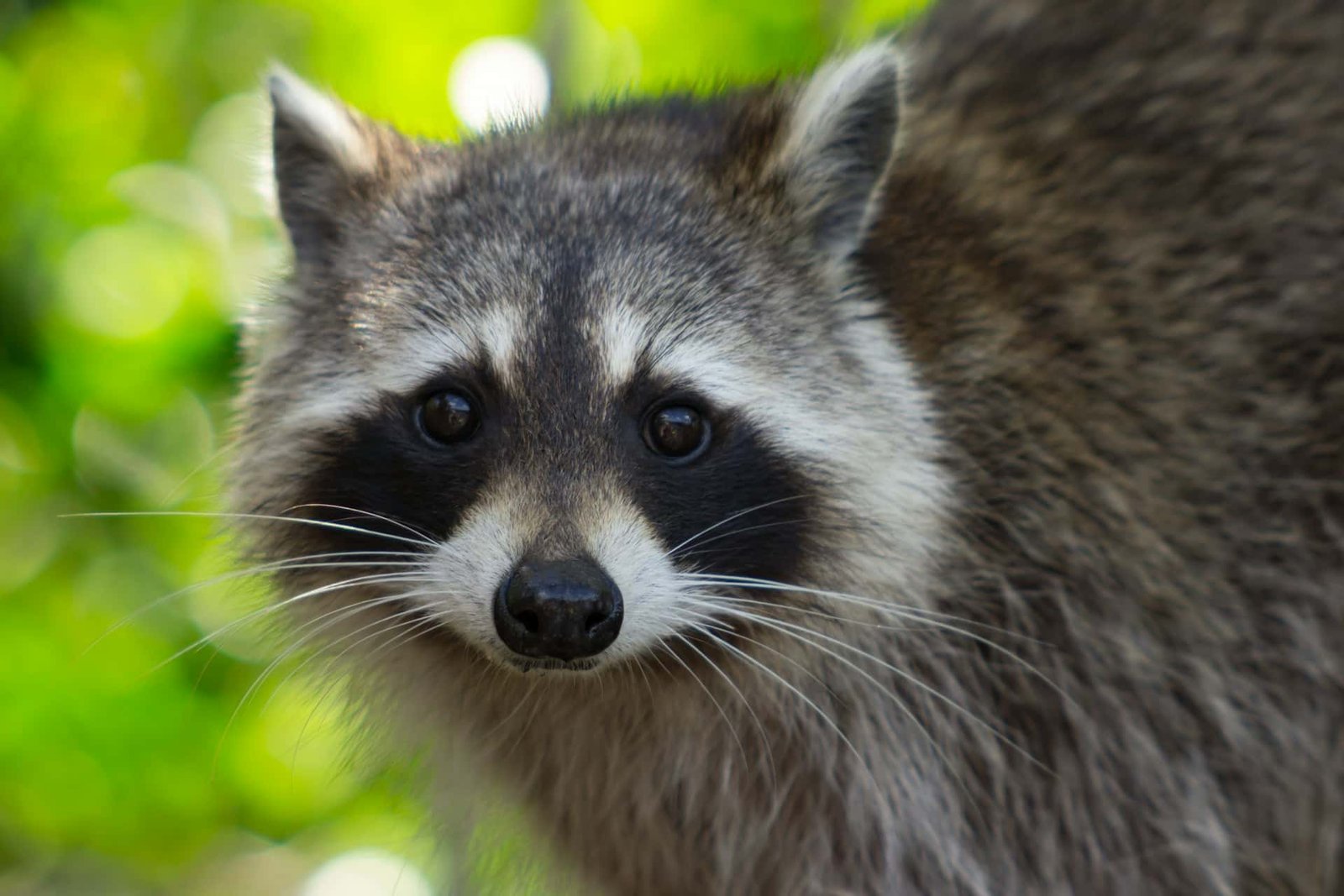
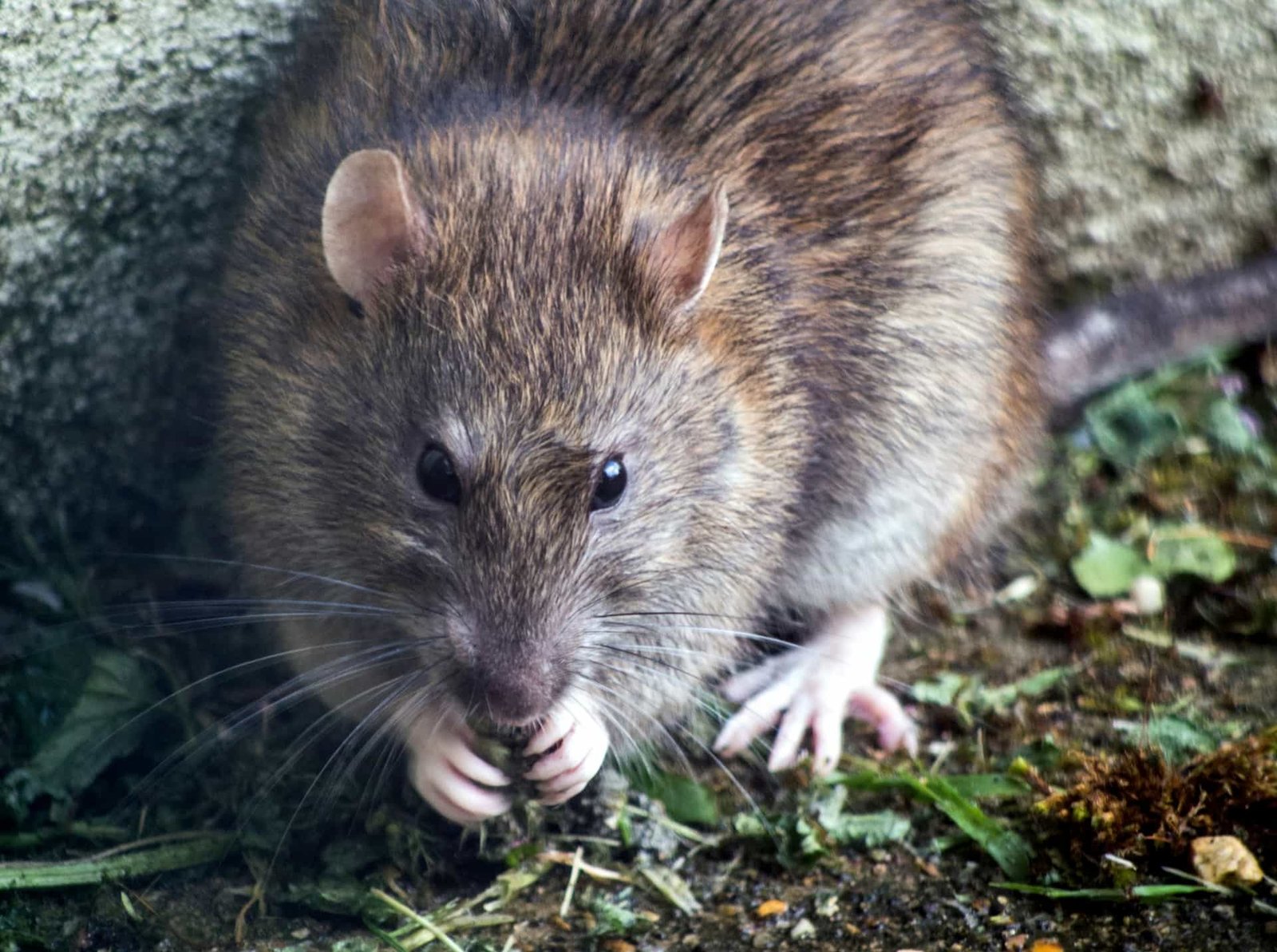
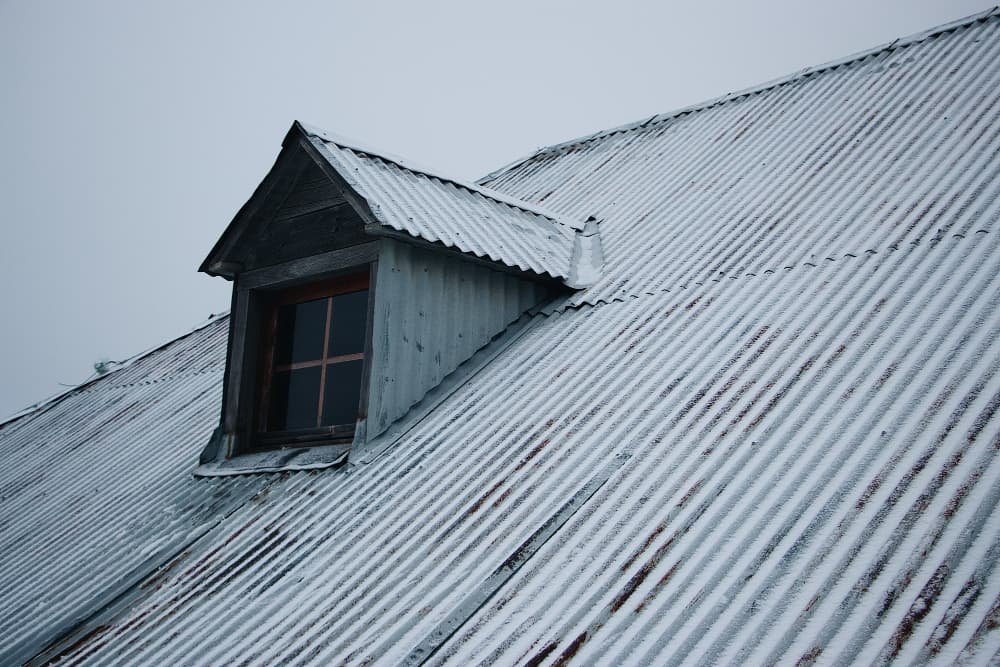
Raccoons, bats, squirrels, birds, and rats often show up first at vents, soffits, chimneys, and fascia gaps.
Browse animal servicesStart with the signs you notice, the part of the home involved, and the animal that looks closest to the problem. The pages below help sort through raccoons, bats, squirrels, skunks, rodents, birds, snakes, and burrowing animals.
Raccoons, bats, squirrels, birds, and rats often show up first at vents, soffits, chimneys, and fascia gaps.
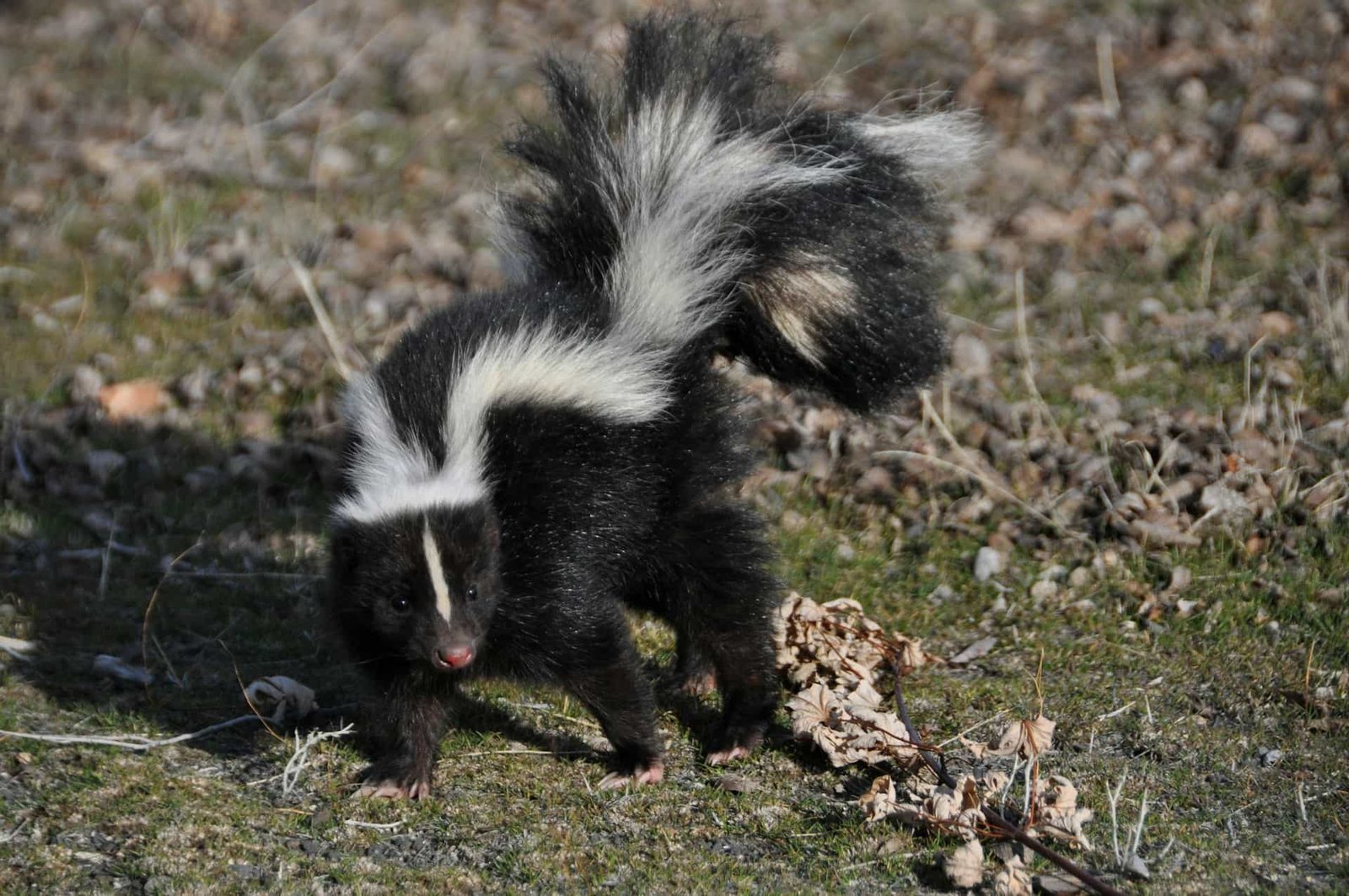
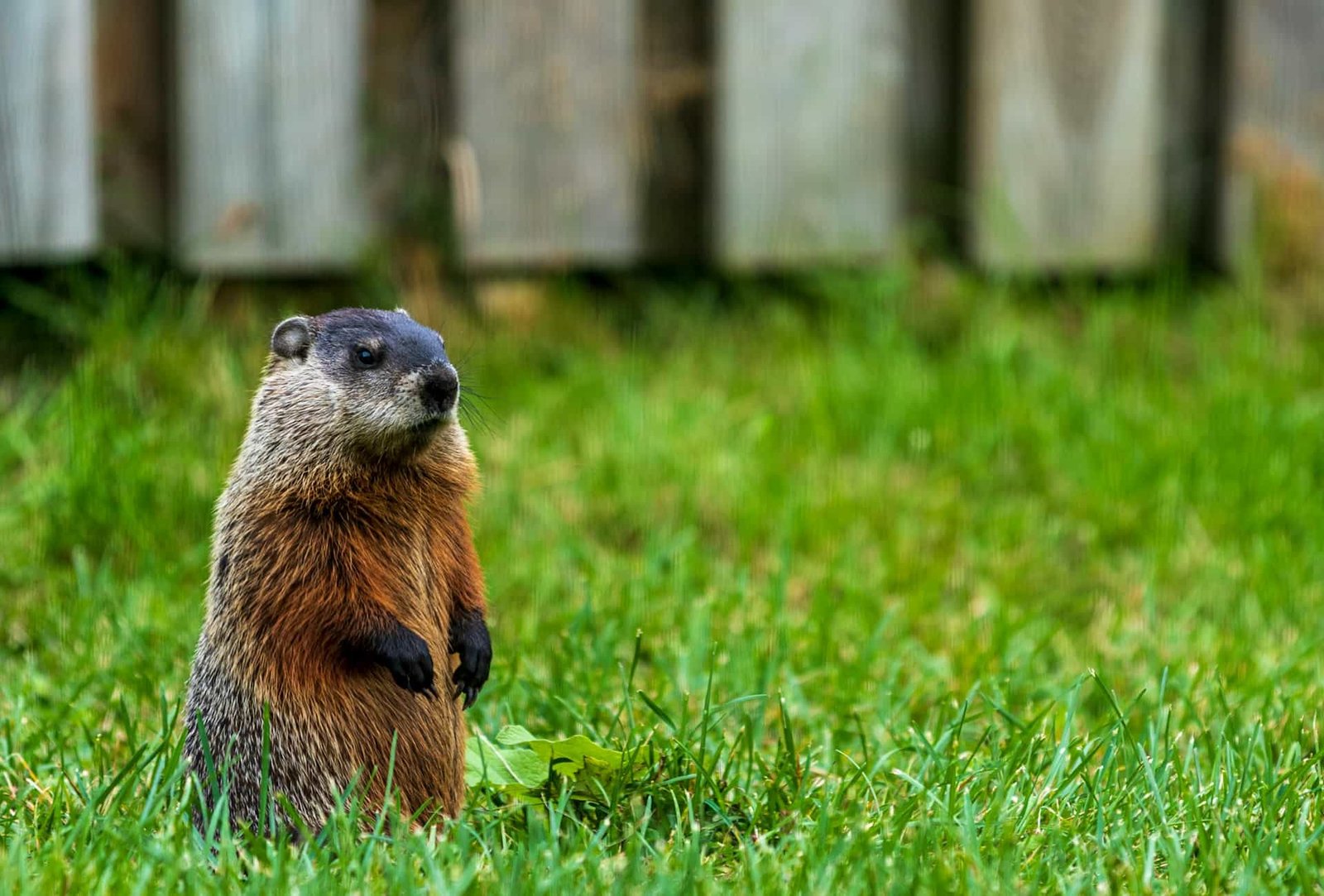
Browse animal servicesSkunks, snakes, moles, groundhogs, foxes, and opossums can create issues under decks, near slabs, and along garden edges.
Talk To UsMost wildlife problems start with something small: scratching above a ceiling, a smell near the deck, fresh digging along the yard, or a gap near the roofline. Start with the part of the home that looks most affected, then narrow the animal from there.
Common for raccoons, bats, squirrels, rats, and birds near soffits, vents, chimneys, and fascia gaps.
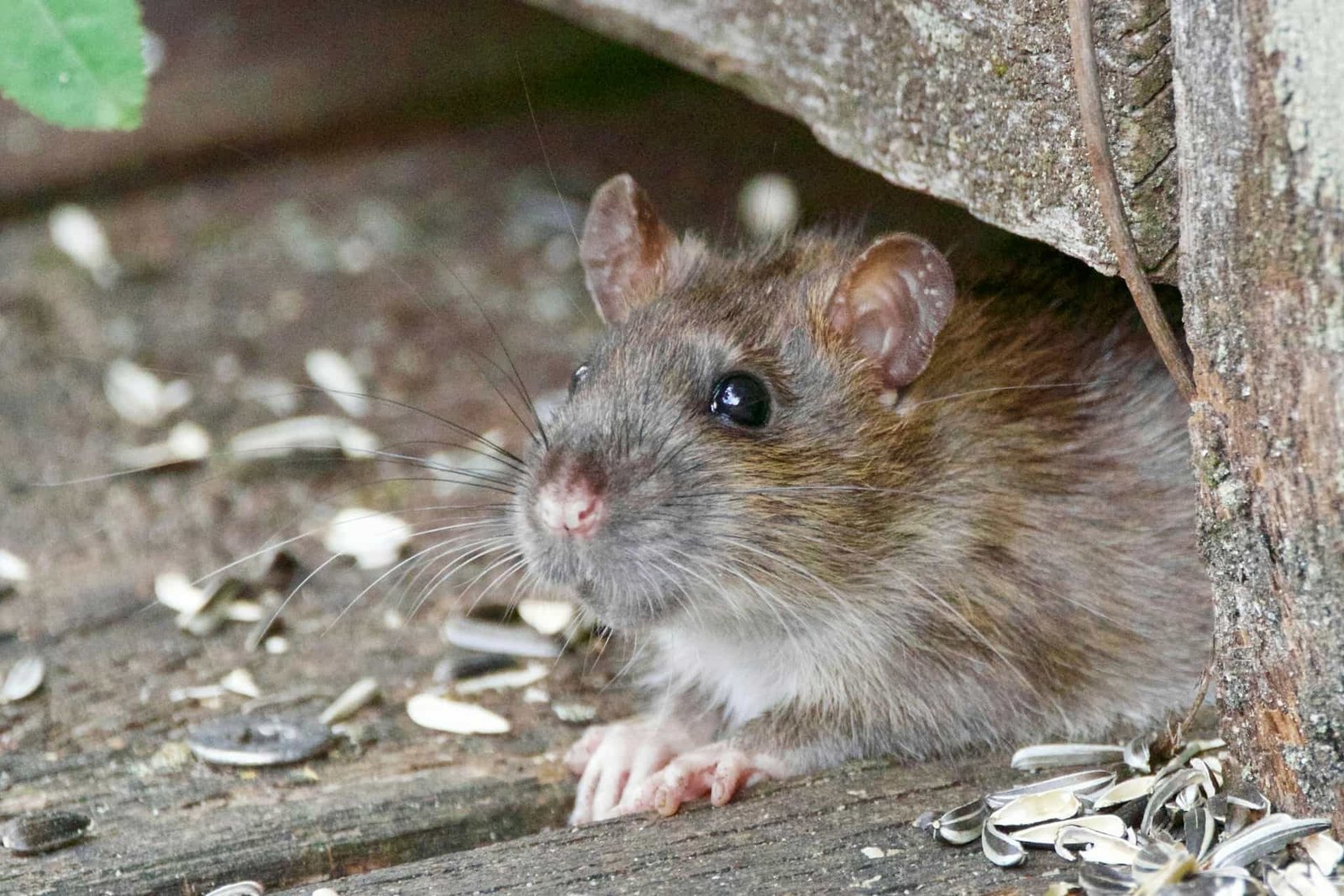
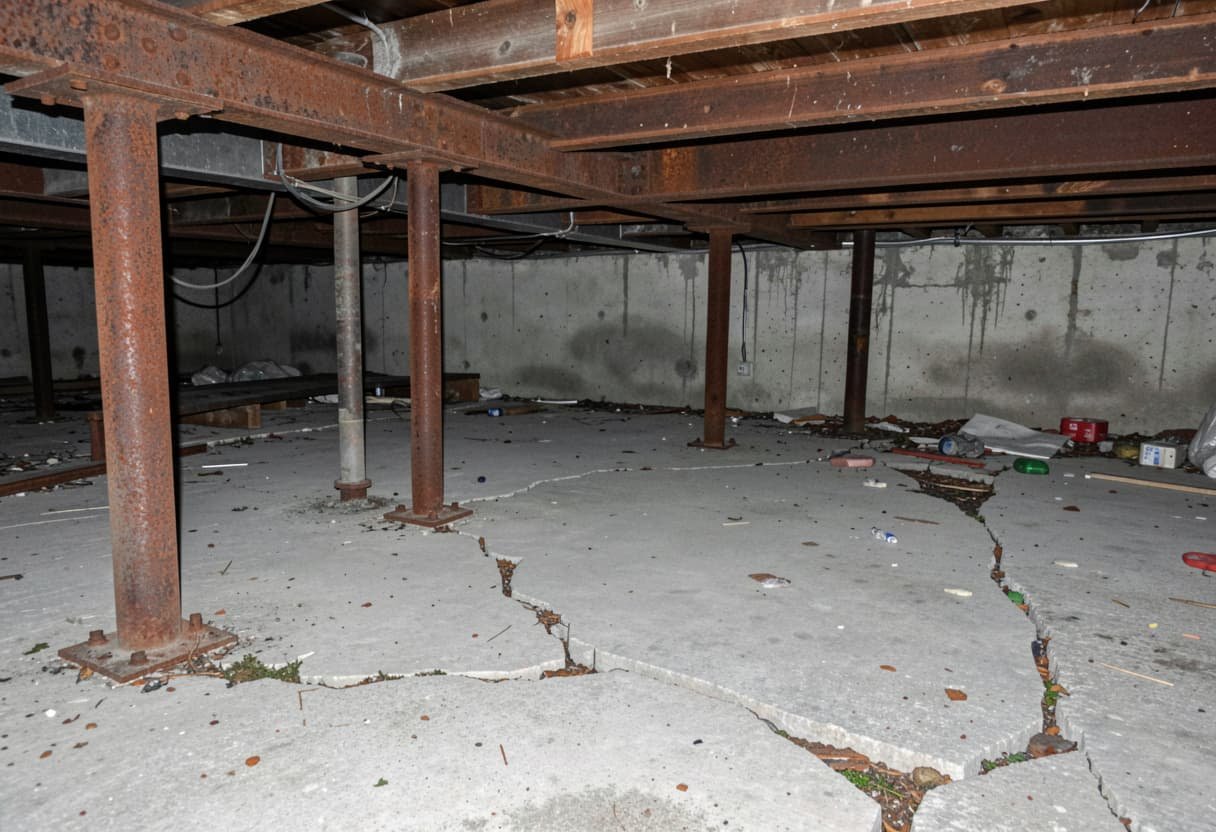
Frequent for skunks, opossums, snakes, and rodents using low-clearance shelter spaces around foundations.
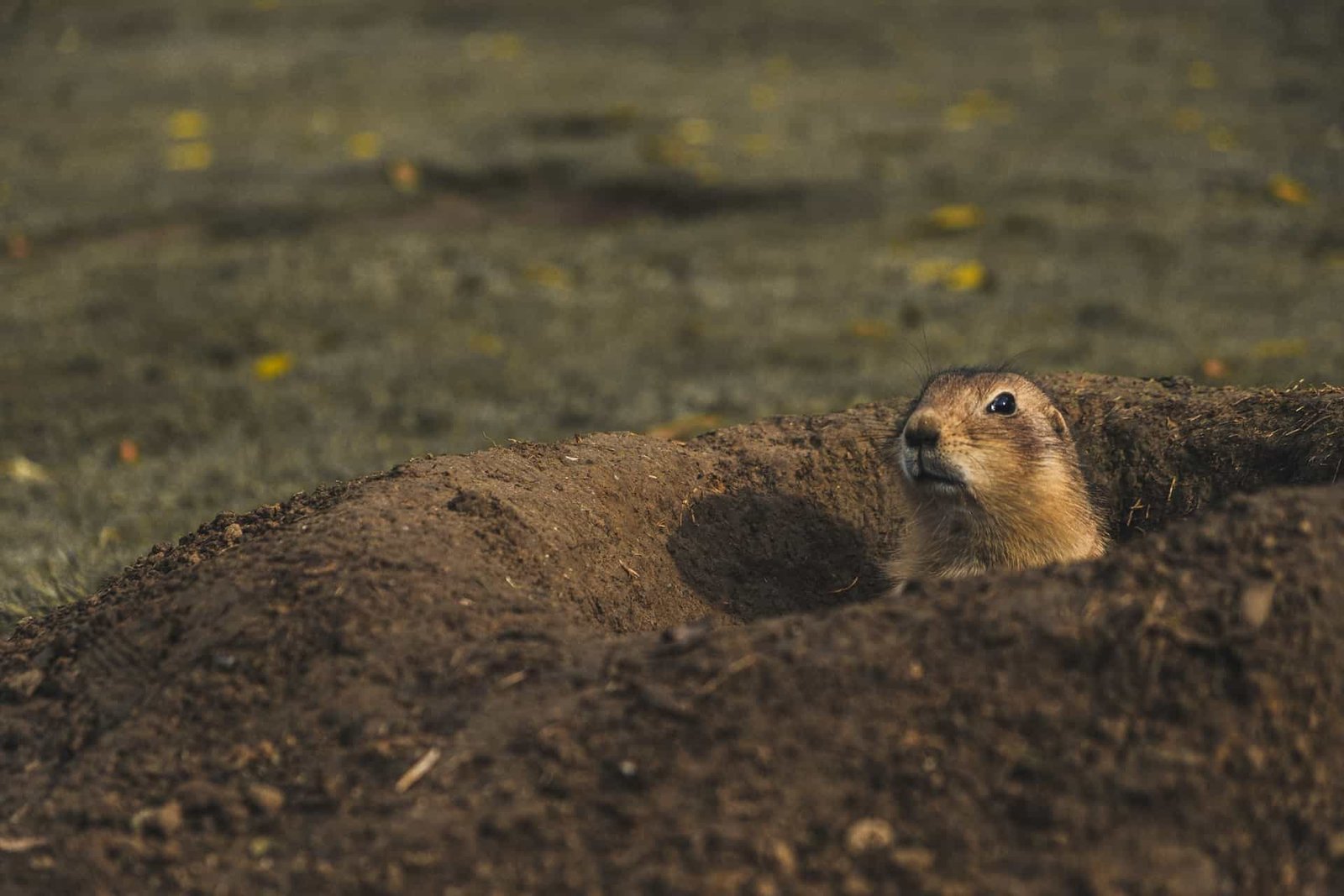
Groundhogs, moles, and foxes can disrupt lawns, retaining walls, planting beds, and detached structures.
Removal works best when paired with exclusion details, sanitation review, and exterior maintenance planning.
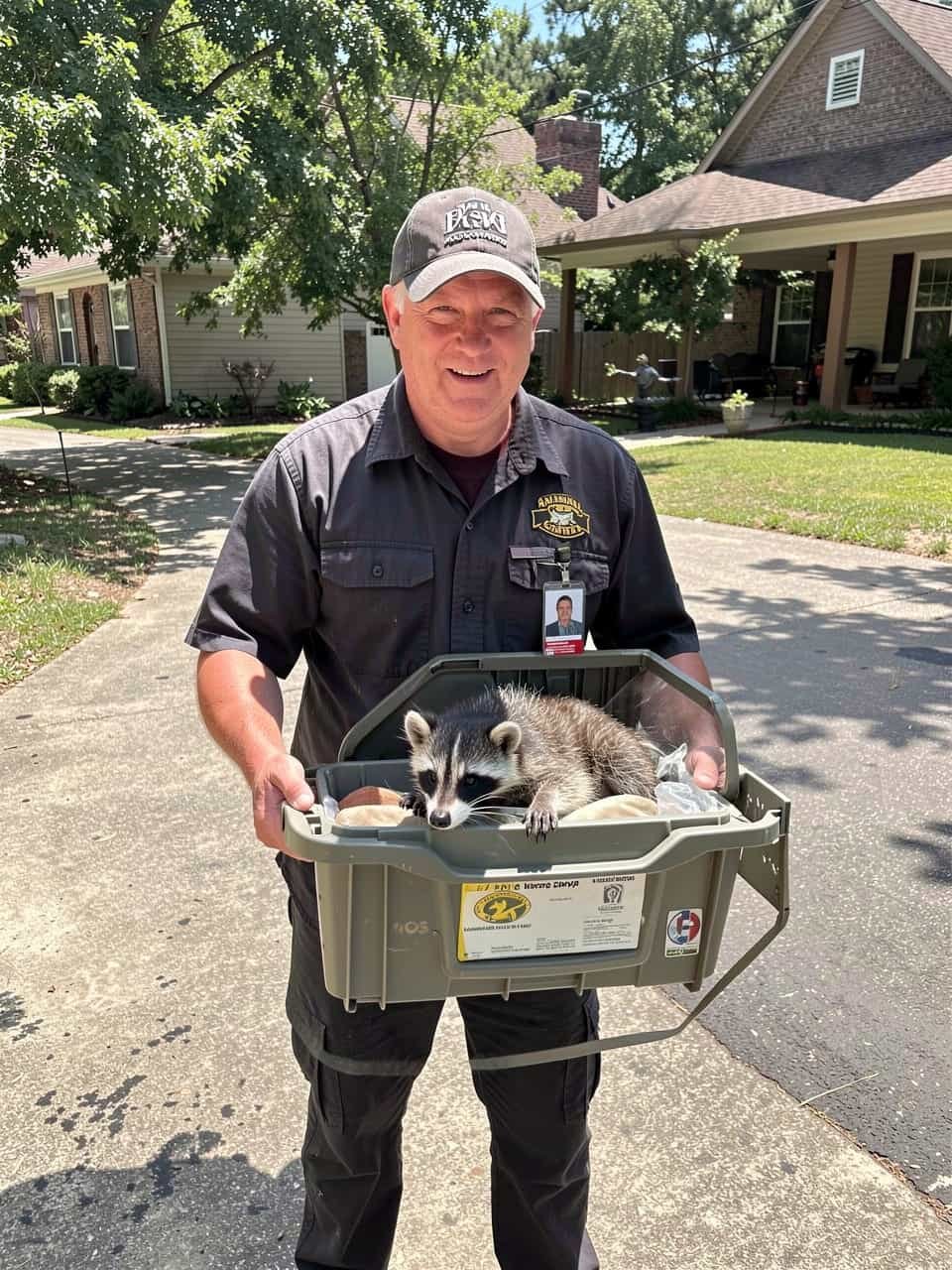
Start with where the activity keeps showing up, then open the animal page that feels closest to what you notice.
Getting the animal out is only part of the picture. Weak spots around vents, decks, soffits, and crawlspaces still need attention.
Longer-term improvement usually comes from sealing openings, adding barriers, and cutting down food or shelter attractants nearby.
Animals that most often reach attic spaces or enter through damaged rooflines, vents, and soffits.
Small-entry intrusions through utility gaps, crawlspace edges, garage thresholds, and wall void openings.
Ground-level wildlife that tunnels, dens, or disturbs soil near slabs, retaining walls, decks, and lawns.
Other wildlife sightings near porches, yards, detached structures, and low-clearance shelter zones.
Activity often begins with subtle pressure around the shell of the home. Reviewing the zone where movement, odor, scratching, or soil disruption starts makes it easier to match the issue to the right service category.
Start with the closest animal or pressure area, review the signs, and use the contact page if you want help narrowing it down.
Choose the animal type or select the closest match, then share where the activity is happening on the property.
Use the animal pages to check common signs, entry points, and the kind of damage that usually comes with each issue.
Use the contact page to describe the animal, where the activity is happening, and what you have noticed so far.
Combine removal with exclusion details, attractant reduction, and maintenance checks around vulnerable structure zones.
Use the contact page to share the issue, where it is happening, your ZIP code, and the best callback details.
Use these quick answers to sort through common wildlife issues, understand exclusion basics, and know which details matter most.
It helps narrow the animal, the part of the home involved, and the kind of damage or entry pattern that fits what you are seeing.
Humane removal handles current activity, while exclusion work helps reduce repeat access through vents, gaps, roof returns, crawlspace openings, and other structural weak points.
Not always. Many issues first show up as nighttime sounds, odors, droppings, disturbed insulation, or fresh entry damage rather than daytime sightings.
Core coverage includes raccoons, skunks, squirrels, bats, opossums, groundhogs, moles, mice, rats, birds, snakes, and foxes.
The most useful details are the animal you suspect, where the activity is happening, how long you have noticed it, and your ZIP code.
Yes. Scratching, thumping, fluttering, or chirping can match different animals, so timing, sound pattern, and likely entry location all help narrow the issue.